Told by a Teen / Female Founder Stories
From Psychology Grad to Wagamama CEO: Emma Woods on the 2% Funding Gap

Hosted by Siya Kantaria
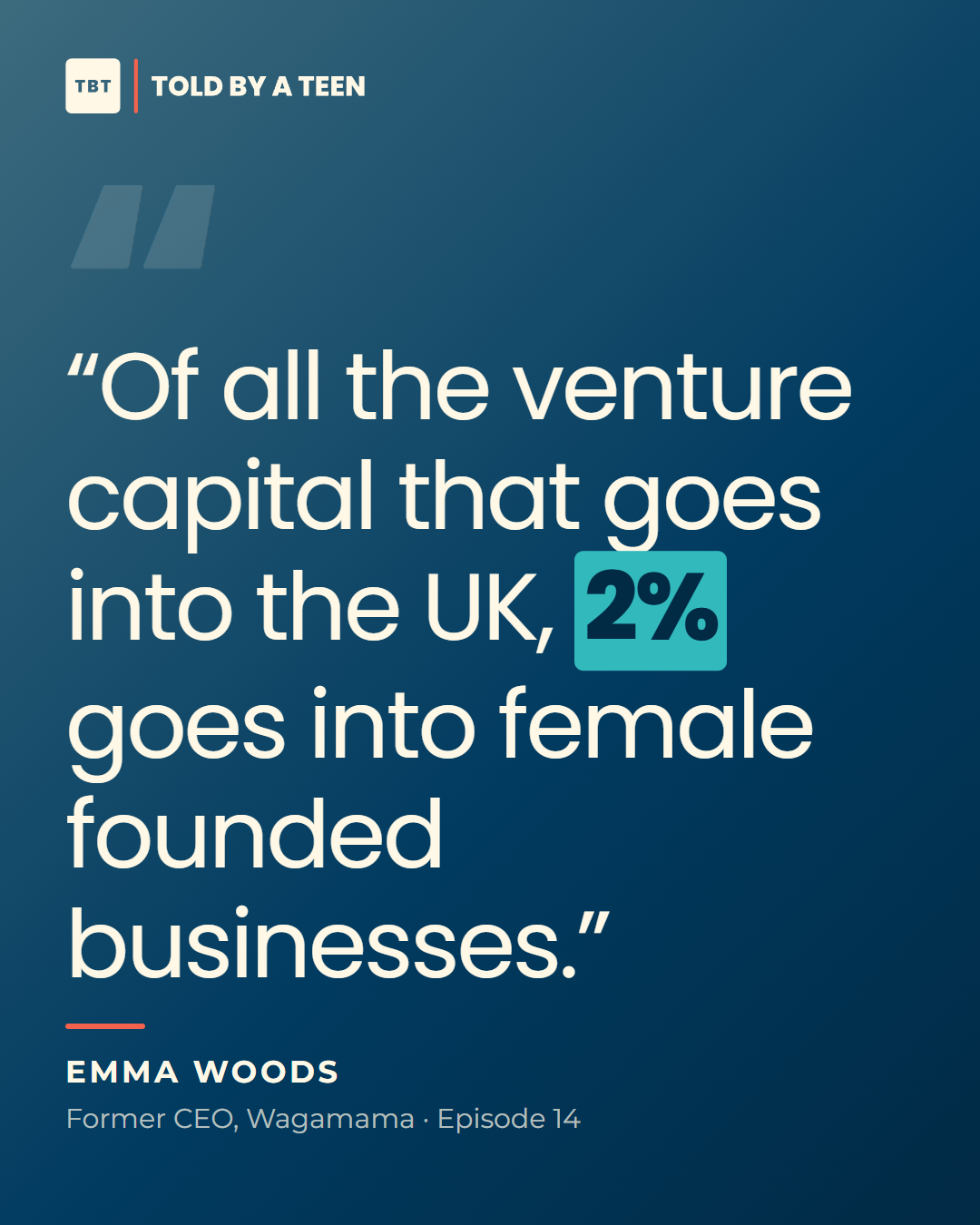
“Of all the venture capital that goes into the UK, 2% goes into female founded businesses.”
Emma Woods, ex-Wagamama
Show notes
What is in this one.
- 00:03Who Emma is
- 02:10Psychology, and a career nobody planned
- 05:23What advertising actually does
- 09:45Working with female founders
- 14:09Why most businesses fail
- 15:24Start with something you actually care about
- 17:57Women and money
- 18:53The conversation she wishes women would have
- 21:53Just use AI
- 23:16Why computer science should be compulsory
- 26:53Did becoming a mother change how she leads?
- 30:44What the best founders have in common
- 31:53Knowing what you want, with social media in the way
- 33:12What does success mean to you?
The conversation
Emma Woods ran Wagamama. She studied psychology, never planned a career in business, and says the whole thing only makes sense read backwards.
Zig, then zag, then zig again
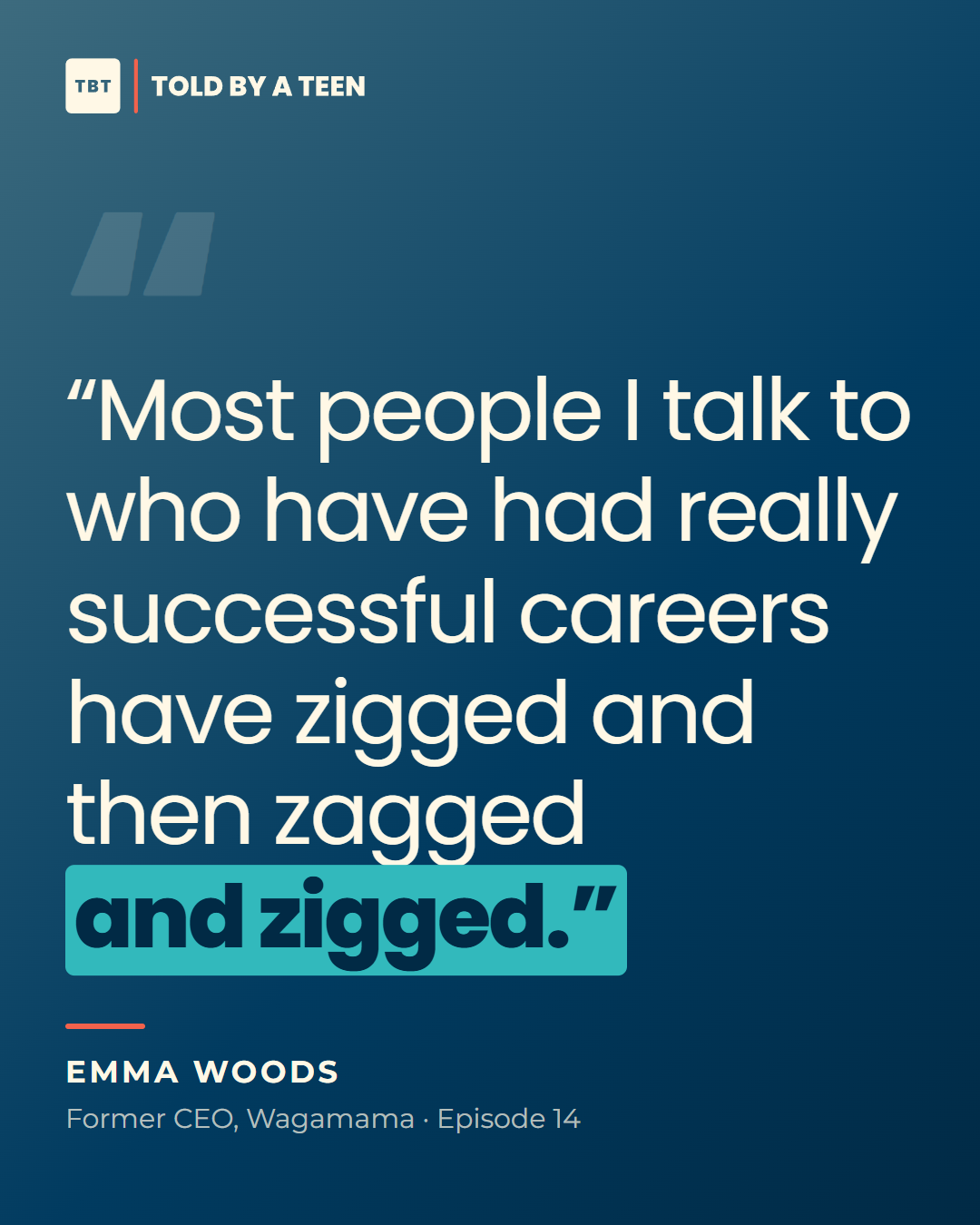
Her parents were academics. She did psychology because she was interested in why people behave the way they do, and that interest is the only thread running through the lot of it: Unilever, then Latin America, then Pizza Express, then Merlin, then Wagamama. She said most people she knows with brilliant careers zigged and zagged and zigged, and that it only makes sense looking backwards.
I had been quietly assuming you were supposed to know. That there was a plan and I was behind on writing mine.
Two per cent
Of all the venture capital that goes into the UK, two per cent goes into female founded businesses. Emma said it plainly and then said the thing that actually matters, which is that funding is what lets a business scale instead of staying small. Alison Rose made the same argument to me about the size of the whole economy, and Fiona Howarth put the numbers the other way round: one business in three works, so three hundred attempts gets you a hundred that do.
Three women, three industries, same gap. I have stopped treating it as a coincidence.
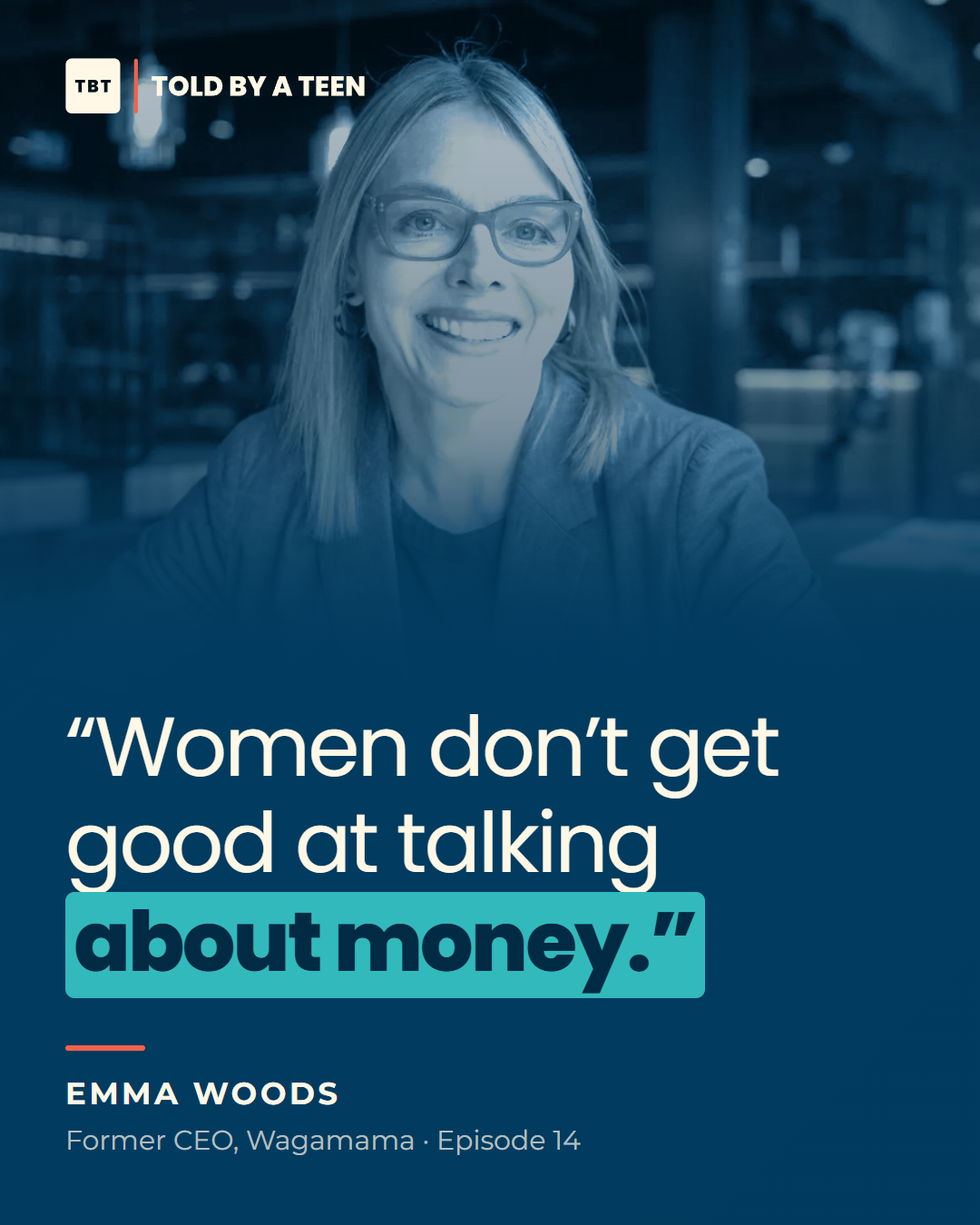
Nobody teaches women to talk about money
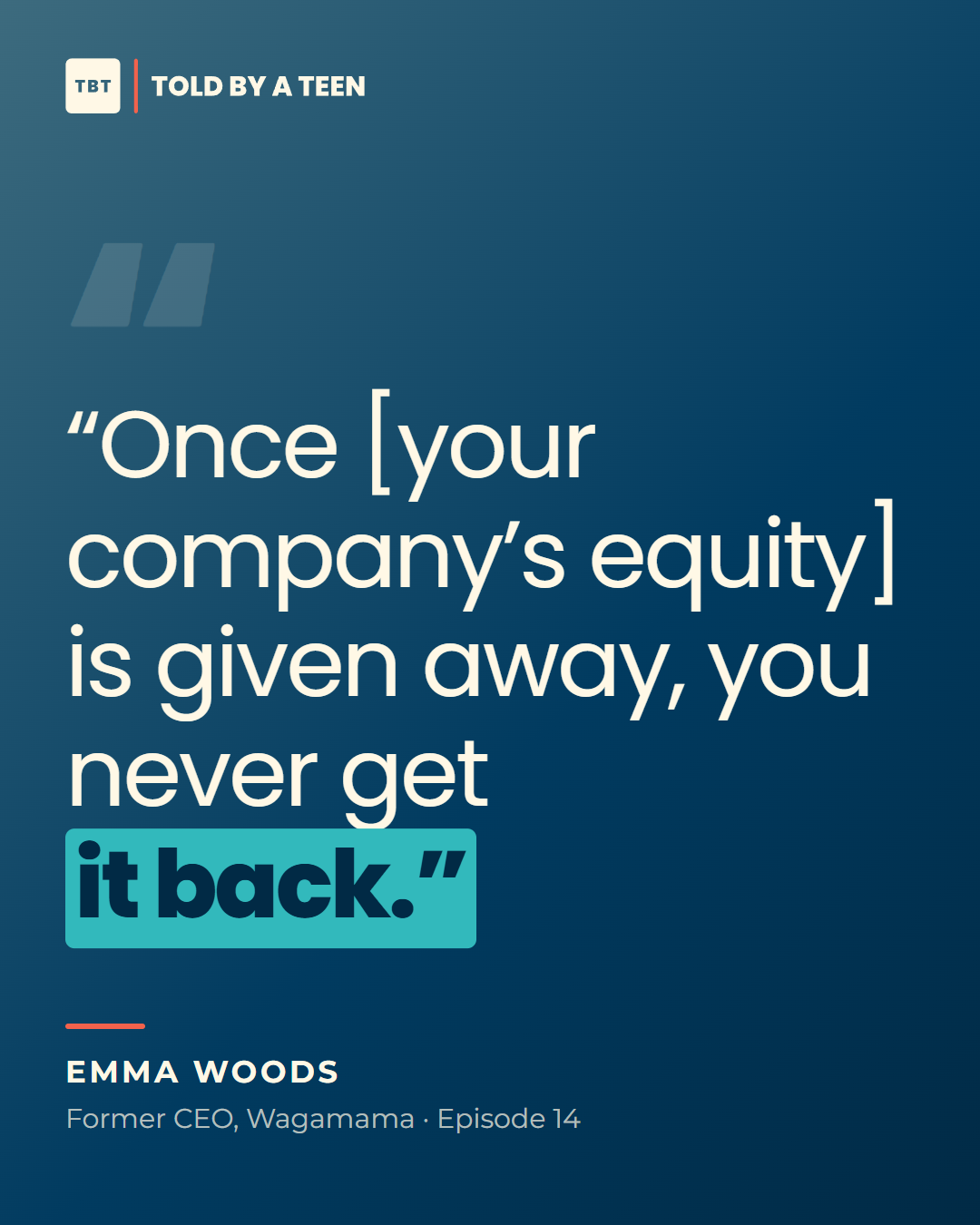
Emma was blunt about this one. You have to understand how your business actually makes money, because a business that does not make money does not survive. She has watched female founders give away too much of their company too early, usually because they wanted help or felt nervous, and her warning was short. Once it is given away you never get it back.
She said it is not about doing a course. It is about being interested in where the money goes.
It is lonely and it is not dreamy
That is close to a direct quote. She works with founders now and a lot of what she does is believe in them out loud, because the failure rates are high, you might lose your own money, and there is nobody above you to say it is going fine.
Cheerleader was her word, not mine. I think it sounds softer than the job she described.
What she counts as a win
Not the title. She talked about a pizza. At Pizza Express she launched the Leggera, a pizza with a hole in the middle and a salad in it, and women wrote in to say they could finally come and eat with their children instead of ordering dough balls and sitting there. She still reads the letters at the business she is involved in now. Some of them are from people whose joints stopped hurting.
I asked a woman who ran a national restaurant chain what success was and she told me about somebody else’s dinner.
What I took from it
Whatever you put into the business, you’re going to get out of it.
- Whatever you put into the business is what you get out. No shortcut in there.
- Failure isn’t the opposite of the plan. Two in every three don’t work.
- AI moved the tools. It didn’t move the idea, and you still need one.
From this episode
The lines worth keeping.